

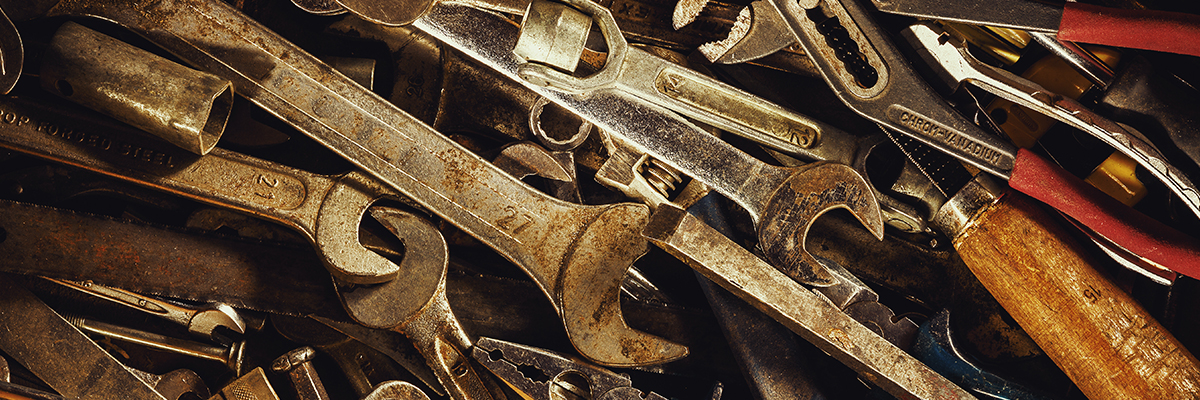
Safety Spotlight: Damaged Tools
That damaged tool you’re holding in your hand? Sure, technically it might still work. But making do for just one more job may also come with a cost.
Using a worn or damaged tool can slow you down, making it take longer to do a job or adding downtime when the tool breaks on the spot. Even worse, a damaged tool can cause an injury that sets you back for the day — or much more.
You already work in environments where safety is non-negotiable. So before you begin any job, take the time to make sure your tools are in good working condition — starting with the handful of everyday essentials, below.
Multimeters
The last thing you want in your gear is a multimeter with a cracked casing, worn insulation, or frayed probes/leads.
Any of those issues can expose you to live voltage or create an arc flash. Damaged leads can also provide inaccurate readings — another safety hazard.
Power Cords
Damaged power cords increase the risk of shock, while internal conductor exposure can lead to tool arcing, potentially starting a fire. Melting insulation or overheating wires can also release toxic fumes.
Plug Blades
When you’re giving a power cord a once-over, don’t forget to check out its plug blades. A bent plug blade can expose energized metal or compromise the insulation inside the plug, increasing the risk of shock.
Utility Knives
Dull blades can be more hazardous than sharp ones, because you have to use more force to cut, increasing the chance the knife will slip. Frequently using a knife with a dull blade may also cause muscle strain in your hands, wrists, and arms.
If you’re using a utility knife with a brittle blade, the blade could snap, sending debris flying.
Insulated Tool Handles
Using tools with degraded insulated handles increases your risk of shock, so avoid using handles with nicks, cracks or exposed metal. Insulation can weaken over time; exposure to moisture, heat, or chemicals can also affect insulation quality. (If a tool handle feels sticky, tacky or brittle, it might be time to replace the tool.)
Drills
Worn or blunt drill bits may break, while worn-out, dirty, or improperly fastened chucks may cause bits to come loose.
To avoid a hazard, keep your bits sharp and replace them when they start to show signs of wear and tear. Same goes for replacing a chuck when it starts to wear out, as well as keeping it clean and making sure it’s fastened correctly.
Wooden Tool Handles
Cracked wooden handles on shovels, hammers, and other tools can pose a host of safety hazards. A handle can break while you’re using the tool — or the tool could slip out of your hand because you can’t get a good grip on it. If the damaged handle is on a hammer, the hammer head can fly off and hit you — or someone working nearby.
Ladders
Loose hardware, damaged feet, and cracked rails or rungs can compromise a ladder’s integrity, resulting in a fall. Always inspect a ladder before you climb.
Jobsite Safety Starts with the Right Support
Using tools that are in good condition is key to staying safe on the job. Crescent Electric’s local teams are knowledgeable, experienced, and ready to help you choose replacements for worn or damaged tools and equipment.
Visit your local Crescent Electric location or fill out the form below to connect with our team.